
Sump-pump diagnostics
A sump alarm is not a replacement order. Diagnose the pump first.
A multi-unit property reported recurring sump alarms. The work began with panel checks and controlled pit access, then progressed to pulling the affected pump and testing the equipment before recommending the next decision.
Request service- Property
- Multi-unit property
- Reported condition
- Recurring sump alarms
- Finding
- Pump fault to ground
- Next decision
- Replacement recommendation
The decision point
An alarm identifies a condition. It does not identify the repair.
A sump alarm can be caused by water level, controls, a blocked intake, a seized pump, a failed float, wiring, or an electrical fault inside the equipment. Replacing parts before separating those possibilities can waste time and leave the real failure unresolved.
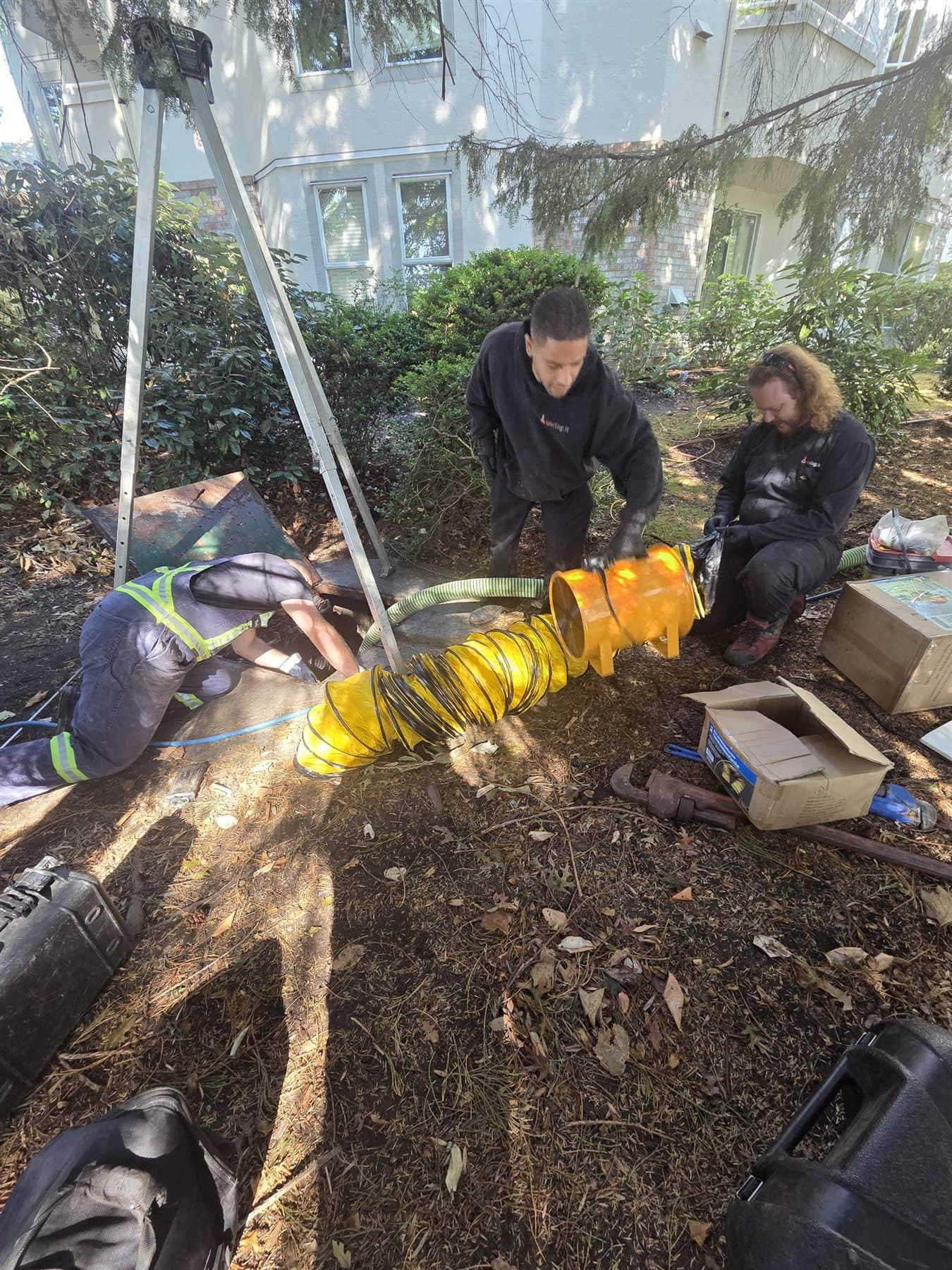
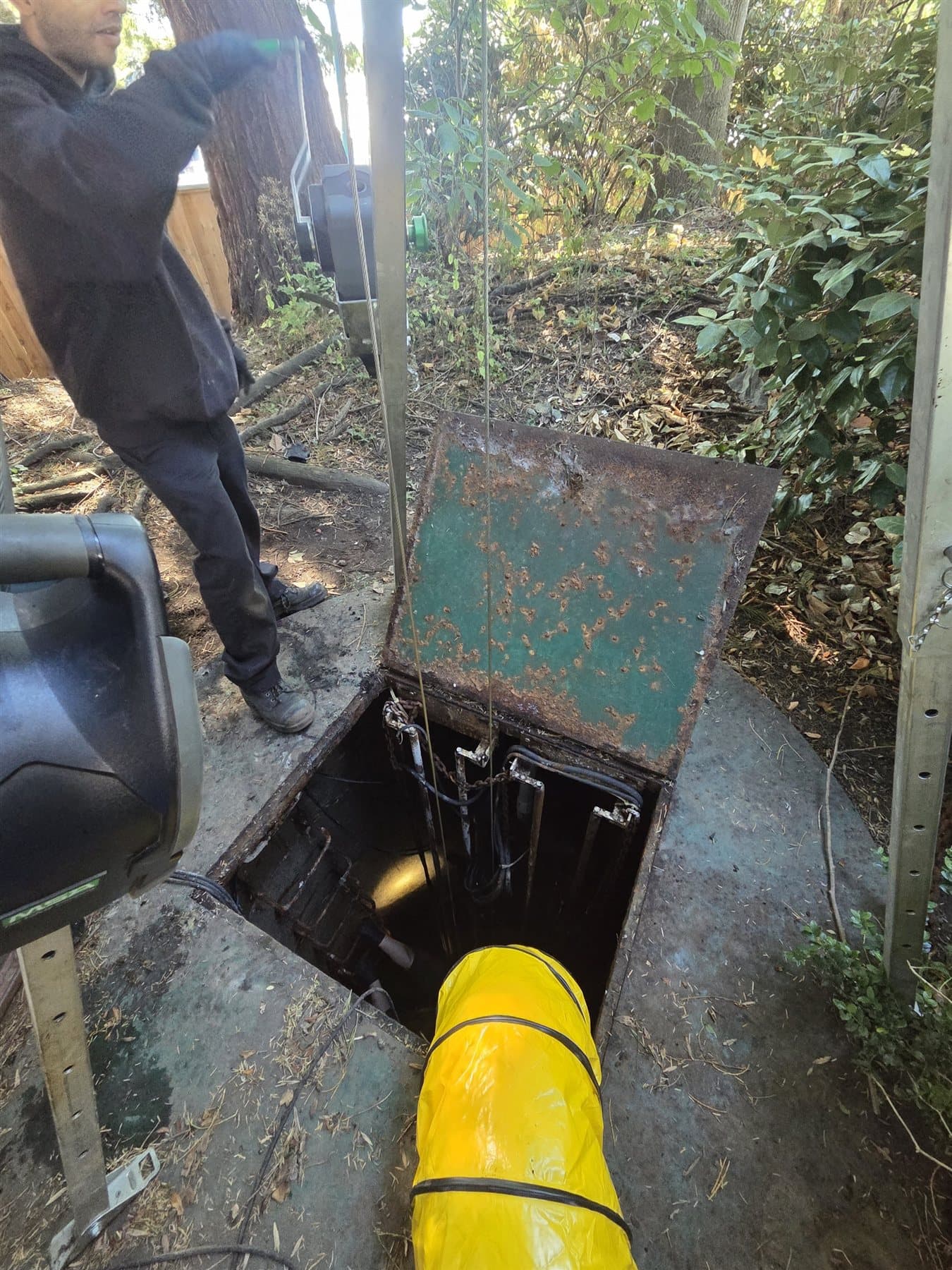
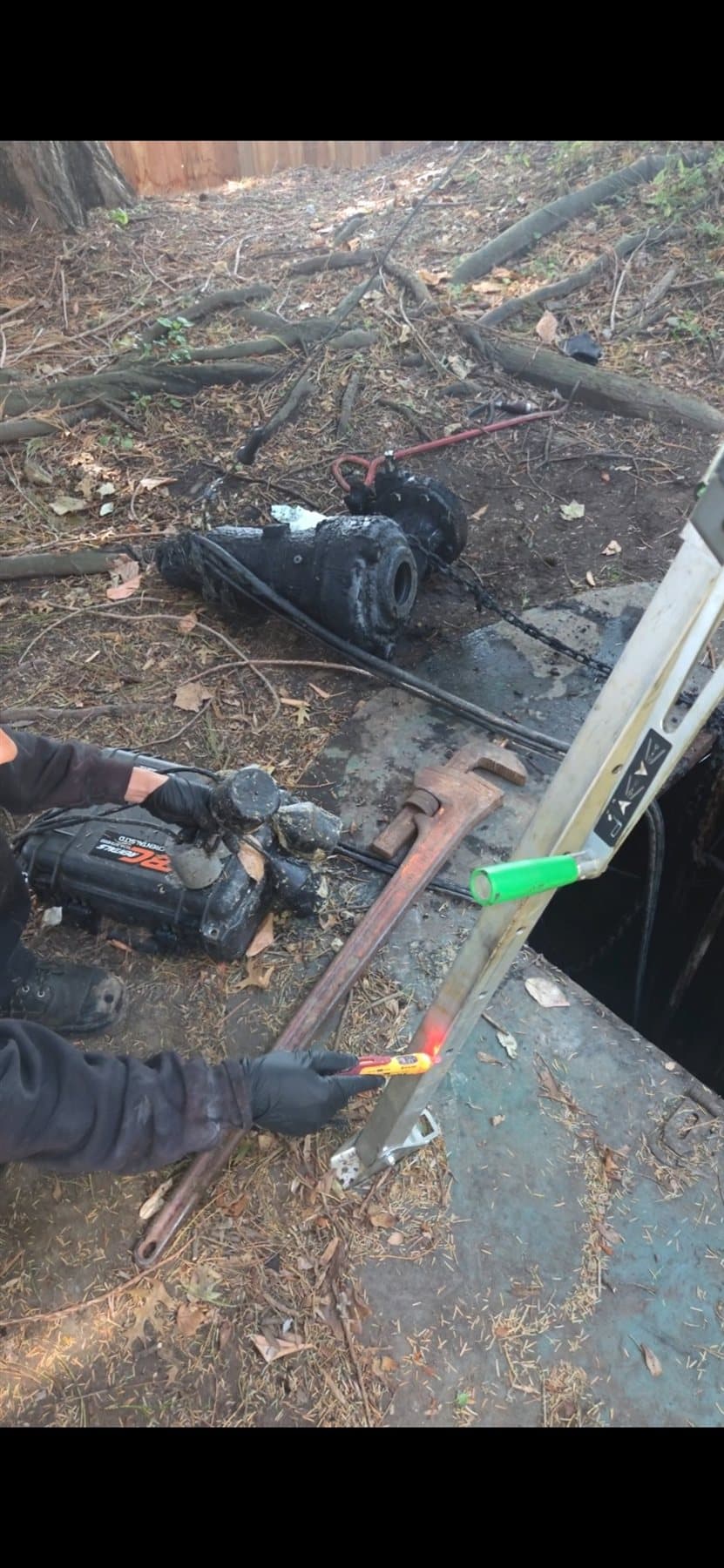
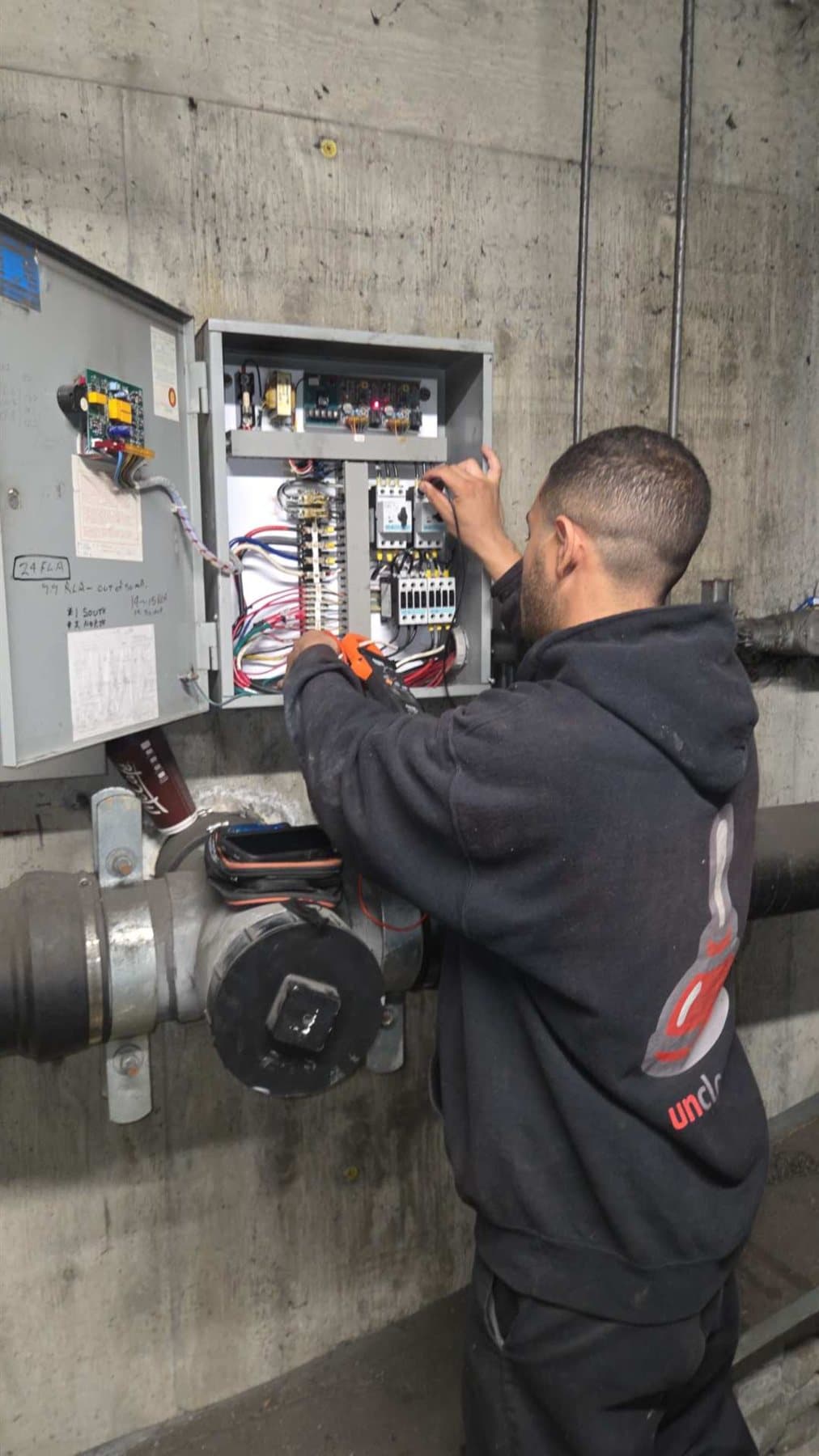
Here, the crew documented the panel condition, prepared the open pit for safe access, removed the affected pump, and tested its electrical condition. The test showed a fault to ground associated with the pump, making replacement the evidence-based next step rather than an assumption.
What the record showed
Access, equipment condition, and the diagnostic path were all visible.
Service sequence
Stabilize the condition, confirm the failure, then define the scope.
For multi-unit equipment, the most useful closeout is a record that distinguishes the alarm from its confirmed cause.
- 01
Read the alarm
Confirm the reported condition, current water level, panel indications, and whether either pump is responding.
- 02
Control access
Establish the work zone, ventilation, retrieval approach, and protective measures before pit work begins.
- 03
Test the equipment
Pull and inspect the affected pump, then use electrical testing to distinguish a pump fault from a control or level issue.
- 04
Record the decision
Document the finding, the equipment affected, and whether repair, replacement, or further investigation is justified.
The outcome
The fault was identified before a replacement scope was recommended.
The diagnostic work identified a fault to ground at the affected sump pump. That finding gave the property team a clear reason to proceed with a replacement decision instead of treating the alarm as a generic maintenance issue.
The useful result was not simply a pump pulled from a pit. It was a service record connecting the alarm, safe access plan, equipment test, and recommended next action.
- Alarm condition separated from the confirmed equipment fault
- Controlled pit access and pump removal documented
- Replacement recommendation grounded in testing evidence
Need the same kind of help?
Start with the problem. We will help plan the next step.
Related field records
See a few related decisions from the field.
These are selected for the same type of system, property, or service concern. The full library is available when you want to explore more.
Discuss your project Explore storm and flood response