Urgency and containment
Active leaks, backups, service loss, and unsafe conditions are assessed by phone so immediate risk and access can be understood before dispatch.
Strata and multi-unit
One plumbing problem can disrupt many homes. We help you control the damage, plan access, keep people informed, and understand what happens next.
Include the building, affected units or common areas, site contact and approval contact.
Built for shared property
Active leaks, backups, service loss, and unsafe conditions are assessed by phone so immediate risk and access can be understood before dispatch.
Identify affected units or common areas, site contacts, entry requirements, and the person authorized to approve work.
Define what is included, likely interruption, sequencing, limitations, and what could change after access or investigation.
Give councils and managers a record of the condition, completed work, limitations, and recommended next steps.
Proof from occupied properties
Real project stories show the planning behind access, resident disruption, excavation, lifting, field work, and follow-up.
Explore case studies →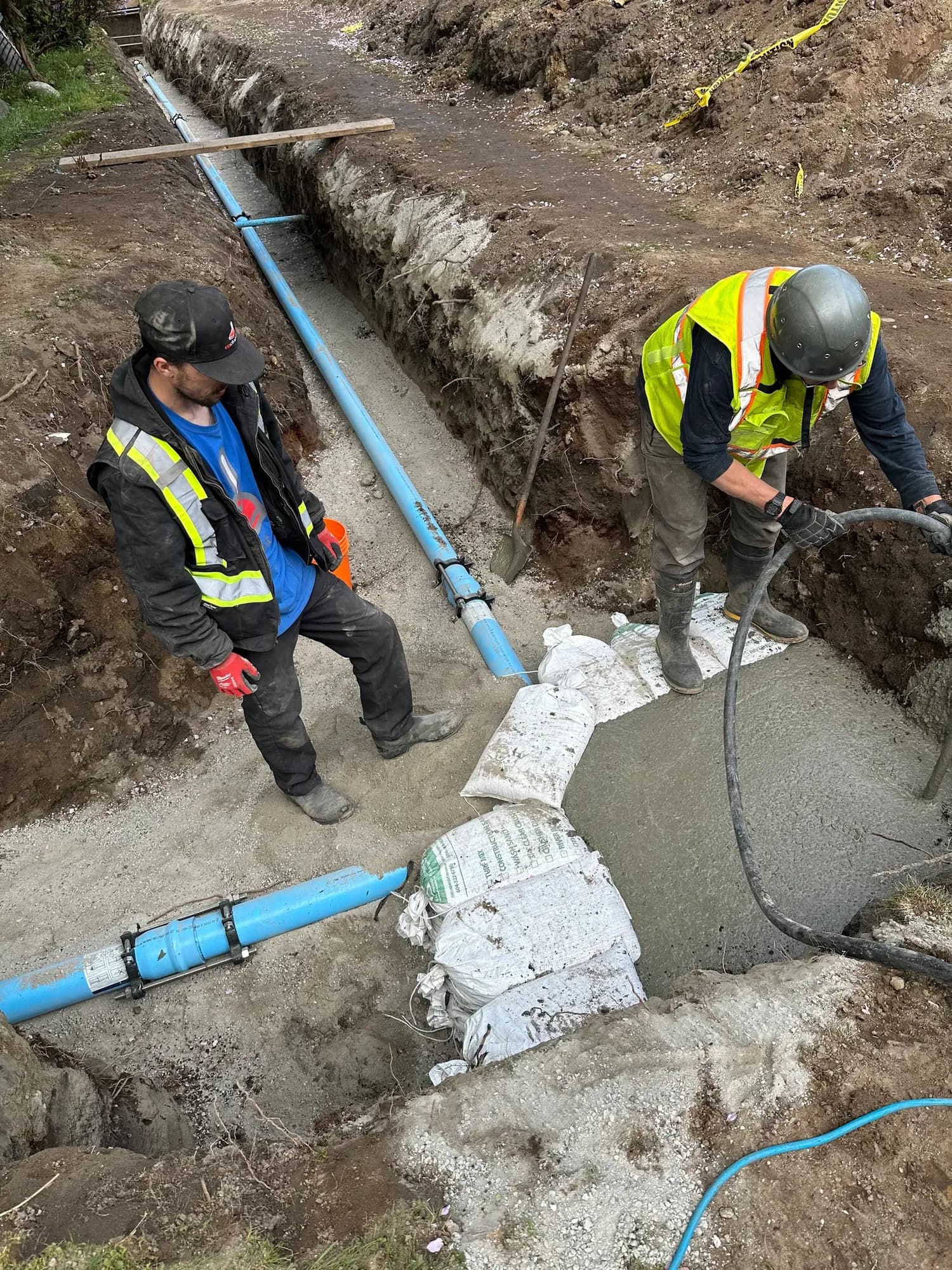 Underground water service replacement
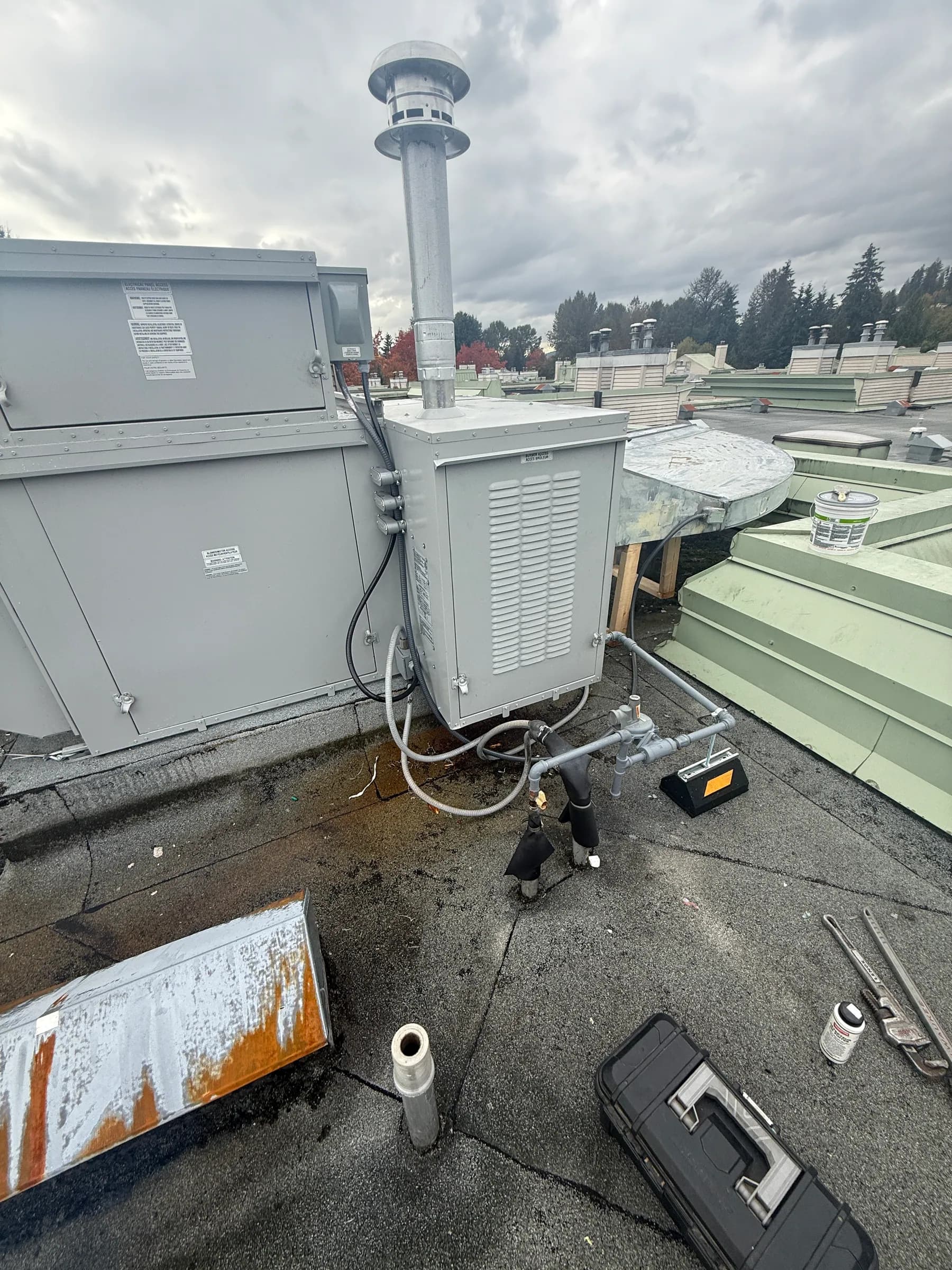 Rooftop mechanical coordination
Before dispatch
Address, building type, unit or common-area location, number of affected homes, and whether the condition is spreading.
Who will meet the technician, how restricted areas are entered, and whether equipment access or parking must be arranged.
The authorized contact, emergency authorization limit, council or manager approval path, and any insurer involvement.
Prior invoices, camera files, drawings, affected stacks, shutoff history, and previous recommendations.
Prevent repeat incidents
Useful maintenance is more specific than a generic service agreement. It identifies the equipment or drainage area, observed condition, completed work, immediate risks, future priorities, and the next review point.
Drainage, pumps, shared water systems, mechanical equipment, and known recurring issues do not all need the same schedule. Start with failure history, operating impact, access, and seasonality.
Define the affected area, notice period, access contacts, isolation points, resident impact, and recovery checks before approved work starts.
Retain reported symptoms, photos, camera files, findings, approved work, tests, limitations, and future recommendations in one place for the council, manager, insurer, and next technician.
When the same condition returns, compare the evidence and cost of repeat response with the scope, disruption, and value of a longer-term repair.
Inspection cadence, shutdown planning, documentation, and recurring drainage risks for multi-unit properties.
Read the guide →INCIDENT GUIDEImmediate safety, access, authorization, resident communication, and documentation during a shared drainage incident.
Read the guide →REAL PROJECTSExplore real multi-unit plumbing and mechanical work, from access coordination through verification and follow-up.
View case studies →Council and manager questions
Responsibility depends on the strata plan, bylaws, location of the failed component, common property, limited common property, and legal interpretation. Technical findings can identify location, but do not determine legal responsibility.
Before planned access, shutdown, noise, odour, equipment movement, or interruption. Emergency communication may need to happen concurrently with stabilization.
Reported condition, affected areas, access, observations, tests, authorized and completed work, limitations, photos or files, restored status, and follow-up recommendations.
Call while the condition is active.
604 496 1661 →DIAGNOSTICS · REPAIR · MAINTENANCEProvide the building, access, and issue details.
Start a request →