
Vancouver commercial drainage
A flooded commercial drain needed isolation and evidence, not more force.
A Vancouver commercial unit reported flooding and a suspected broken drain. At the main access point, gravel and water were present, and clearing could not produce a stable route. The immediate job was to control the flood risk, locate the likely failure, and preserve the evidence needed for the repair decision.
Request service- Property
- Commercial unit, Vancouver
- Reported condition
- Flooding and suspected damaged drain
- Evidence
- Gravel, water flow, and a discontinuity in the drain route
- Immediate decision
- Isolate water and plan the defined repair
The decision point
A blockage is not always a clearing problem.
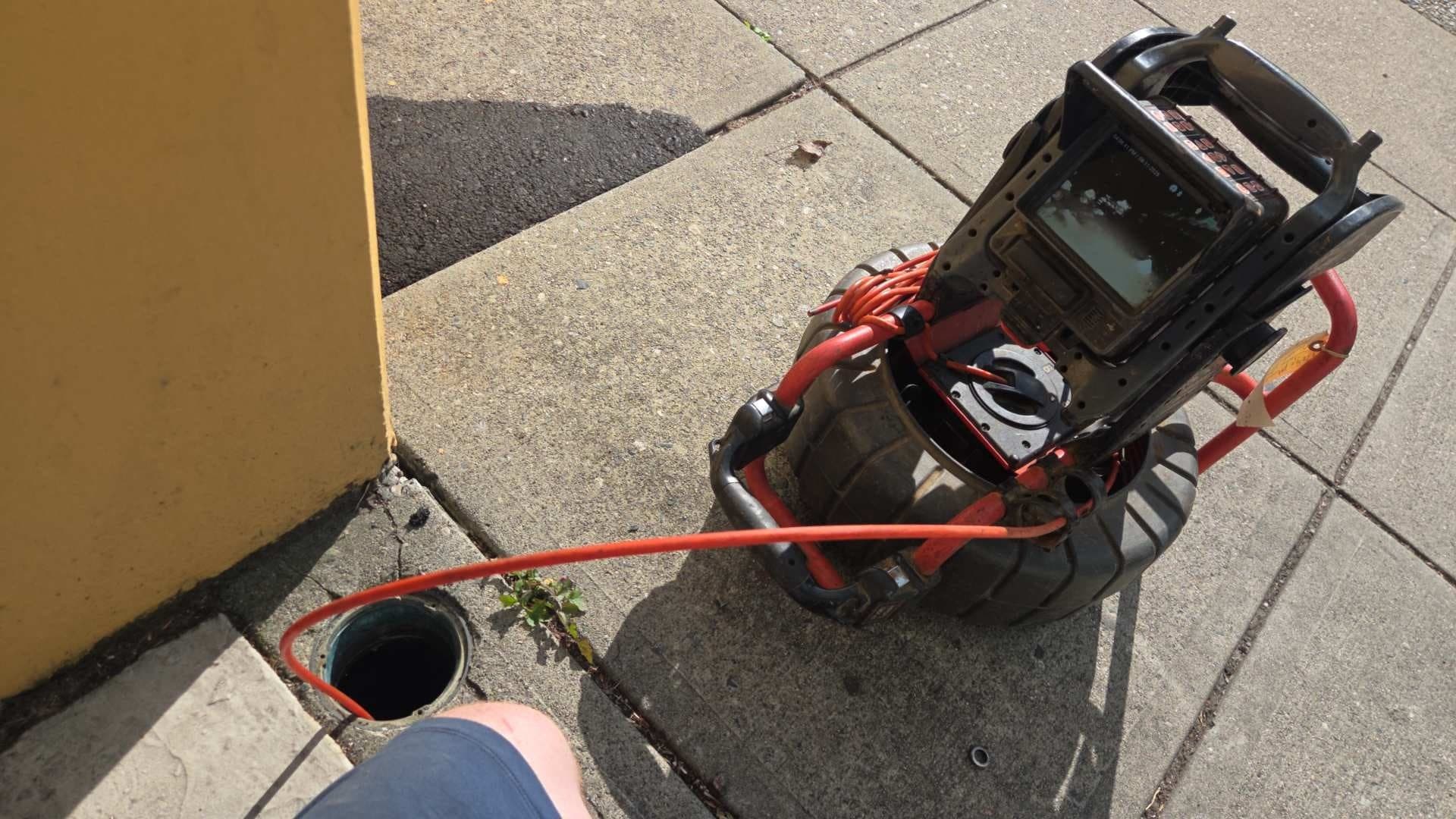
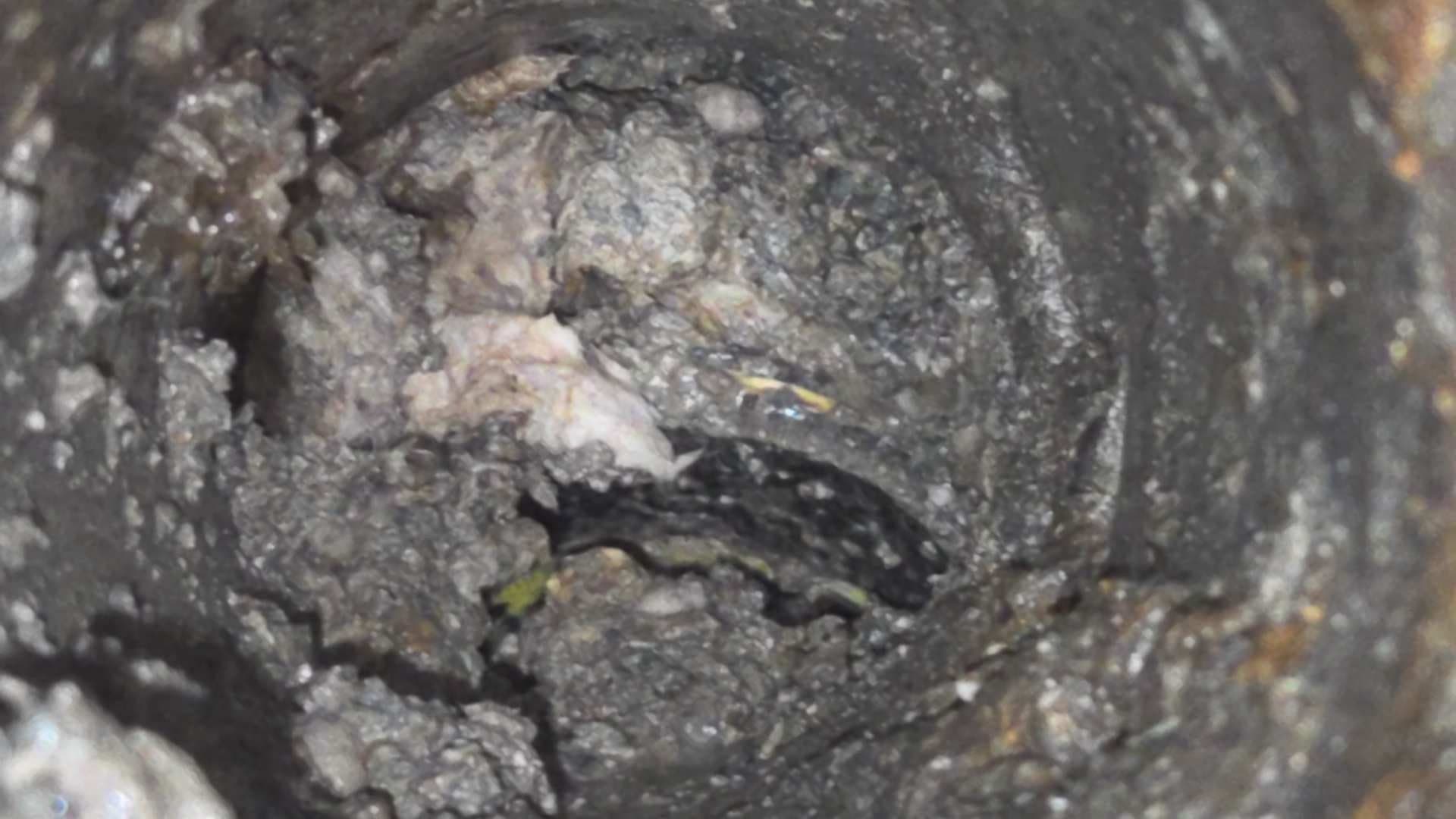
Water was escaping at the main drain access, while gravel continued to enter the opening as the immediate section was cleared. That pattern did not support forcing equipment farther into an unknown route. It pointed to a failed or disconnected section that needed location evidence and a controlled repair plan.
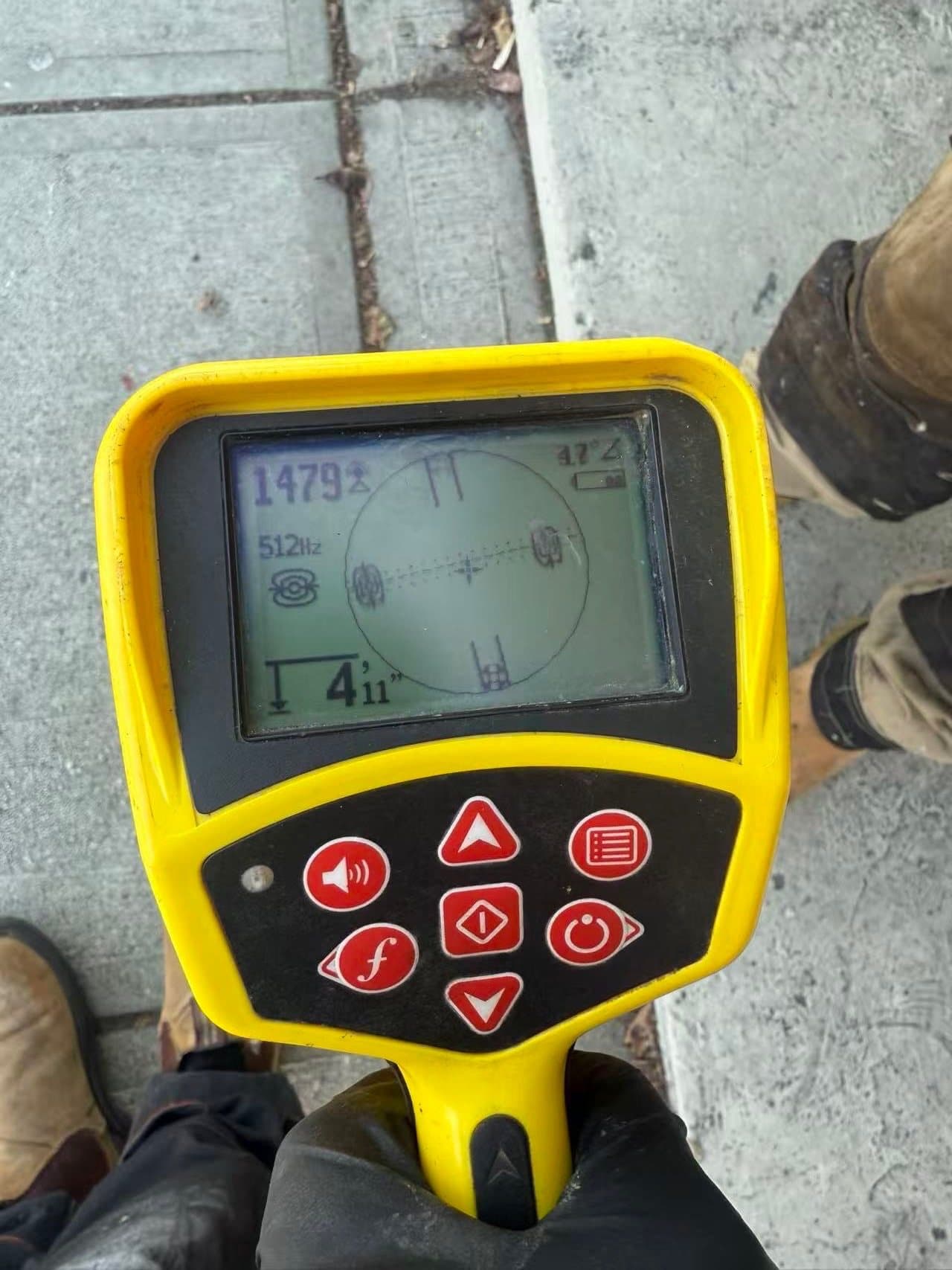
The crew used camera and line-location work to narrow the suspected route below the sidewalk. Water from the commercial unit was then isolated to stop the active flow and reduce flood risk while the next scope could be assessed. Customer and exact site details are generalized for privacy.
What the field record showed
The record connected access, line condition, and the next decision.
Service sequence
Control the active condition, then define the route and repair boundary.
For a commercial drainage emergency, the useful outcome is a safer site and a documented basis for the next authorization, not a temporary result that hides a broken line.
- 01
Make the active flow safe
Assess where water is entering the drain and isolate the affected supply when continued use could create another flood.
- 02
Inspect the available access
Use the cleanout and camera route to distinguish material buildup from a condition that prevents stable clearing.
- 03
Locate the likely failure
Use line-location evidence, property context, and safe access constraints to narrow the repair area before authorizing disruptive work.
- 04
Document the handoff
Record the observed condition, water-control decision, access limitations, and the information required for repair planning.
The outcome
The emergency was stabilized without pretending the line was fixed.
The investigation established that the drain route could not be safely treated as a normal blockage. Water was isolated to reduce the immediate flood risk, and camera and location evidence gave the property team a defined basis for the next repair decision.
That distinction matters. A temporary reduction in water flow is not proof that a damaged underground drain has been repaired. The field record made the unresolved condition visible and actionable.
- Active flood risk reduced through water isolation
- Drain condition and access limitations documented
- Location evidence retained for a targeted repair plan
Need the same kind of help?
Start with the problem. We will help plan the next step.
Related field records
See a few related decisions from the field.
These are selected for the same type of system, property, or service concern. The full library is available when you want to explore more.
Discuss your project Explore drain diagnostics