Work is organized around the equipment and operating needs
Plumbing & mechanical service
Mechanical Service & Planned Maintenance
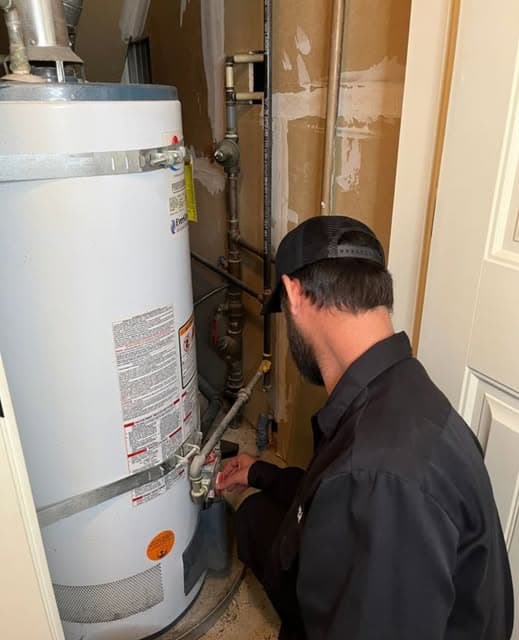
Mechanical failures disrupt residents, staff, and budgets. Planned service gives owners and managers a clearer view of equipment condition, immediate priorities, and upcoming decisions before a small concern becomes an urgent one.
Service areaMetro VancouverForHomes · Strata · Property managers
Start with the problem.
Leave with a clear next step.We assess before recommending work, explain the scope in plain language, and document what was done.What a good result feels like
Improve reliability, plan spending, and reduce avoidable surprises across the building.
Immediate defects are separated from longer-term recommendations
Service records support future maintenance and replacement decisions
When this service may be needed
Start with what you are seeing.
Symptoms help establish urgency and the right investigation path. They do not, by themselves, confirm the failed component.
Equipment is noisy, cycling, leaking, or inconsistent
A known component requires planned repair or replacement
The building needs a repeatable maintenance scope and service record
Residents report uneven heat, hot water, or repeated comfort issues
Equipment condition is unclear before budgeting or replacement planning
Maintain what matters most.
A useful maintenance plan reflects the building and its equipment.
The right scope depends on equipment condition, service history, operating demands, resident impact, and the consequences of failure. We organize the work around those realities.
Active defect or safety concern
Leaks, failed components, unsafe conditions, and loss of essential service take priority.
Recurring operating problem
Cycling, noise, inconsistent performance, and repeat calls can signal a condition that needs diagnosis.
Planned service task
Defined inspection, cleaning, adjustment, and testing can support dependable operation.
Repair or replacement decision
Age, condition, parts, efficiency, and failure impact help shape a responsible plan.
How the work moves forward
From reported symptom to defined next step.
- 01Review equipment, symptoms, history, and operating needs
- 02Assess accessible components within the agreed scope
- 03Prioritize safety, active defects, and reliability concerns
- 04Complete the approved service, repair, or maintenance tasks
- 05Document results, priorities, and recommended follow-up
What the service is for
A repair decision grounded in observed conditions.
Planned mechanical service supports reliability through defined work on accessible components. It can address known defects, routine tasks, operating concerns, and replacement planning.
What can change the scope
Access and hidden conditions matter.
Maintenance is not a certification of the entire system or a guarantee against future failure. Concealed components and conditions outside the approved scope remain excluded unless added.
What affects the price
Planned service should make future costs easier to understand.
We separate the approved maintenance scope from discovered repairs. Observed defects and replacement options are explained so owners and managers can choose what happens next.
Equipment
System type, quantity, age, condition, controls, and available service information.
Access
Mechanical rooms, rooftops, ladders, panels, tenant areas, and safe working space.
Parts and labour
Diagnostic time, materials, specialty components, and manufacturer requirements.
Building impact
Shutdowns, notices, after-hours work, resident access, and coordination with other trades.
Your service record
Useful answers should remain useful after we leave.
Documentation is scaled to the work. Our goal is to give you a clear account of the condition, the approved work, the result, and any follow-up worth planning.
What we found
Observed conditions, relevant limitations, and the information used to define the work.
What was completed
The authorized work performed and relevant checks or testing completed on site.
What comes next
Outstanding conditions, monitoring notes, photos when useful, and recommended next actions.
Core service capabilities
Preventive service planning
Mechanical system assessment
Repair and replacement scopes
Documentation and follow-up
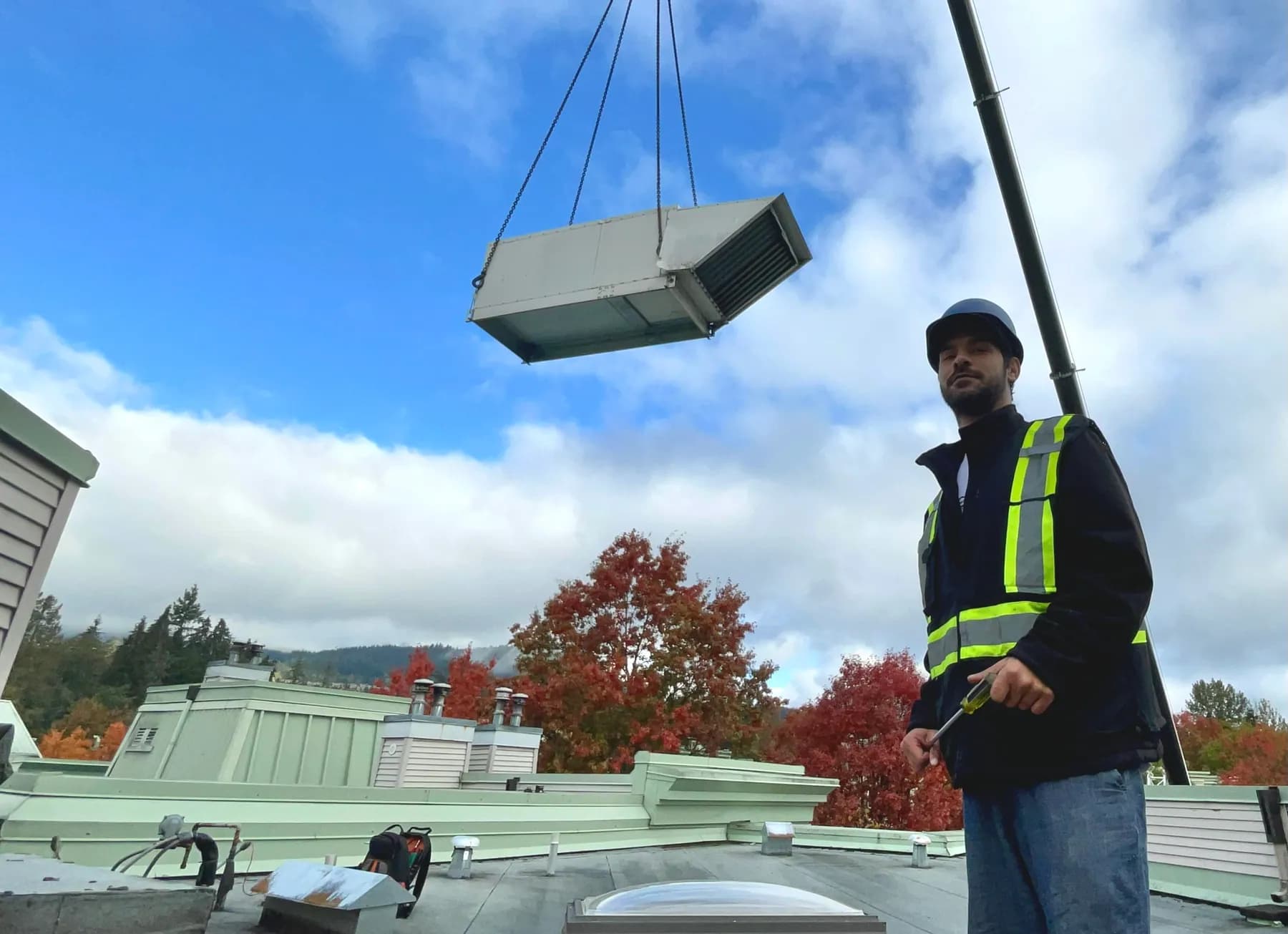
See the work
A real rooftop mechanical project.
Follow the planning, access, lift coordination, rooftop work, and verification required at an occupied property.
Read the case studyCommon questions
Useful answers before you call.
What information helps before the visit?+
Equipment type, model and serial information, recent service history, fault codes, photos, and a description of when the symptom occurs.
Can maintenance prevent every breakdown?+
No. It can identify observed issues and support reliability, but age, concealed deterioration, operating conditions, and unpredictable component failures remain factors.
Do you work in multi-unit buildings?+
Yes. Planned work should include site contact, authorization, equipment access, resident impact, shutdown requirements, and communication needs.
What affects the cost of mechanical service?+
Equipment type, access, operating condition, diagnostic time, parts, controls, shutdowns, and coordination with occupants or other trades all affect cost.
Can you help plan a repair or replacement budget?+
Yes. Observed condition, service history, reliability, parts availability, and operating priorities can be organized into immediate, near-term, and longer-term decisions.
Will residents or building operations be interrupted?+
Some work requires a shutdown or controlled access. We identify known impacts in advance so notices, access, and timing can be coordinated.
Request service
Let’s assess the
problem properly.
Tell us what you are seeing. We’ll help you understand the right next step.
Start your request →Or call 604 496 1661